
01
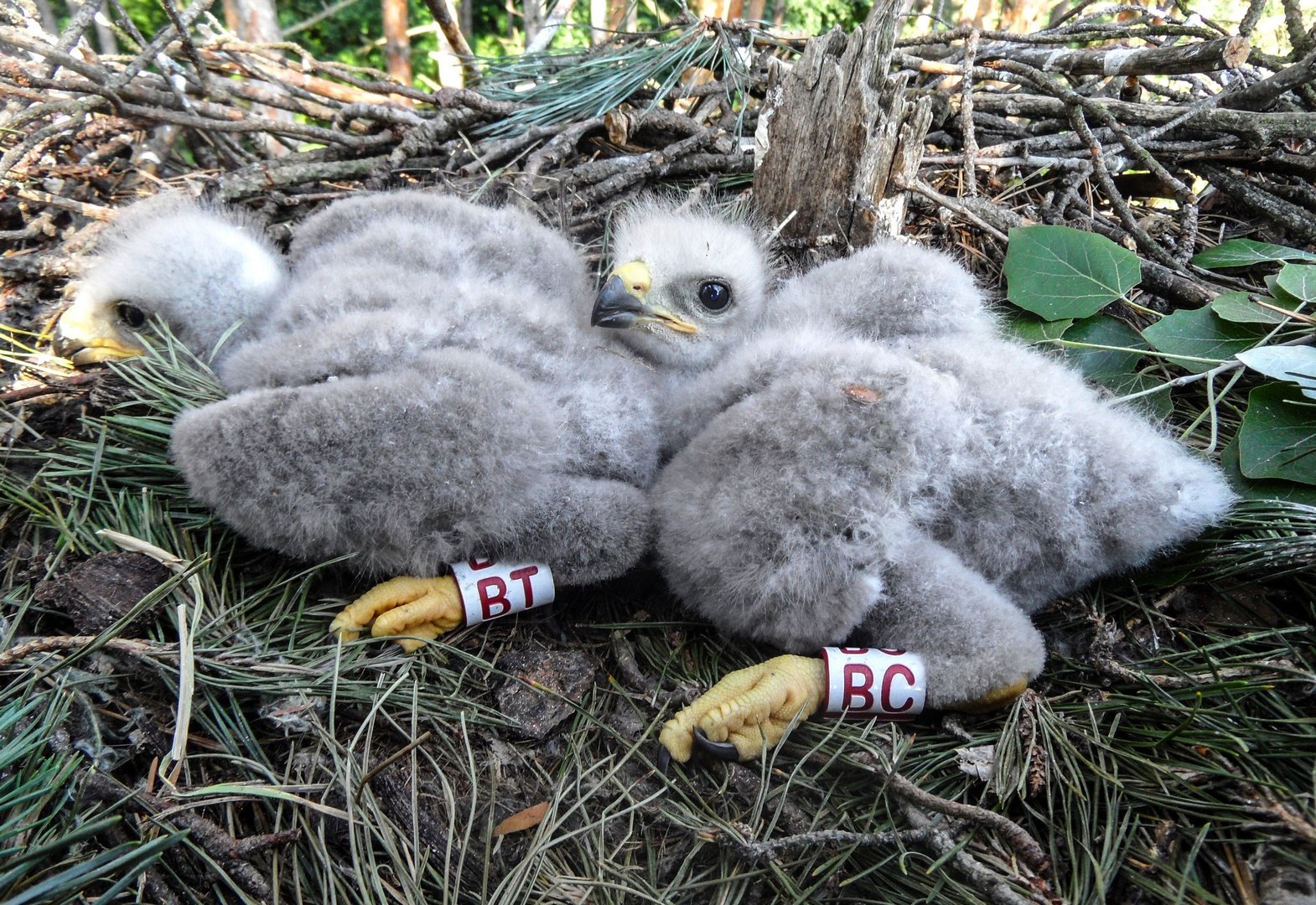
Buteo buteo
Common buzzard
Photo · Milivoj Vučanović
Explore
The national centre for ringing birds and bats — part of the Natural History Museum since 1993. Ringing personalises individual animals so they can be tracked, opening a scientific window onto migrations, dispersal, and the state of nature.
Explore
01 · By the numbers
300,000+
birds ringed
10,000+
bats marked
1908
first ringing on Serbian territory
1997
joined EURING
02 · About the Centre
The Animal Marking Centre organises the monitoring and study of animal movements at local, regional, continental, and intercontinental scales. Mostly birds are ringed, and to a lesser extent bats. Various markers are used — aluminium and plastic rings or wing tags. By ringing, animals are personalised, given an individual identity, and can be tracked. Information on their movements provides direct scientific insight into the once-puzzling phenomena of migration, dispersal in space, and habitat use. It also yields indirect data on the spread of certain infectious diseases, on population genetics, and on changes in the environment.
For the first time worldwide, birds were scientifically and systematically ringed in 1903; the earliest ringing on the territory of today's Serbia followed only five years later, on 28 June 1908. The first bat ringing was carried out in 1954.
The national Animal Marking Centre was founded in 1993 within the Natural History Museum in Belgrade. Until then, the Yugoslav centre had been in Zagreb. Since 1997 the Centre has been a member of the European Union for Bird Ringing — EURING, and since 2005 has participated in the European CES (Constant Effort Sites) project. Since its founding, the Centre's rings have marked more than 300,000 birds and around 10,000 bats.
In addition to the Museum's curators, a large number of external collaborators take part — professional biologists, amateurs, and nature enthusiasts. The Centre supplies rings, schedules accreditation exams for collaborators, and issues marking permits.
If you find a bird or bat with a ring, please contact the national Animal Marking Centre at the Natural History Museum.
03 · Species we mark
01
Common buzzard
Photo · Milivoj Vučanović
02
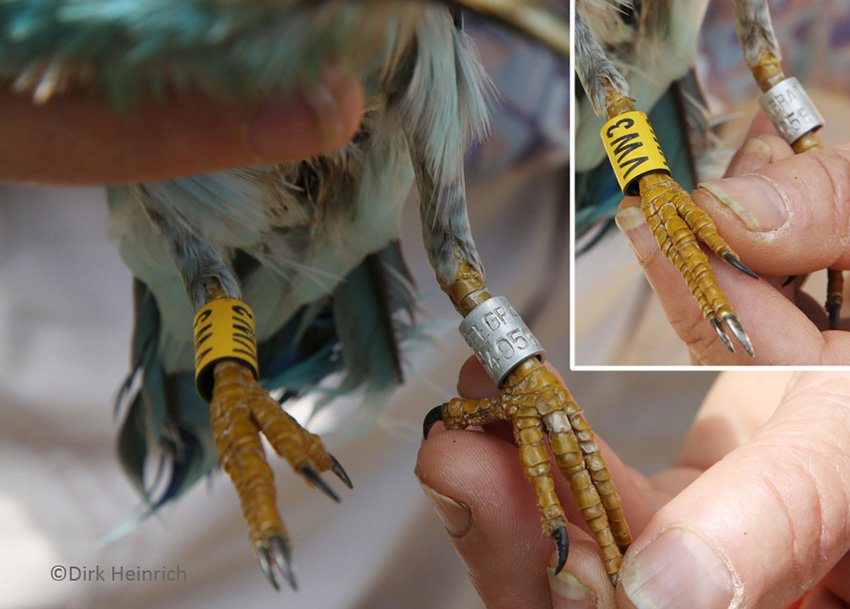
European roller
Photo · Dirk Heinrich
03
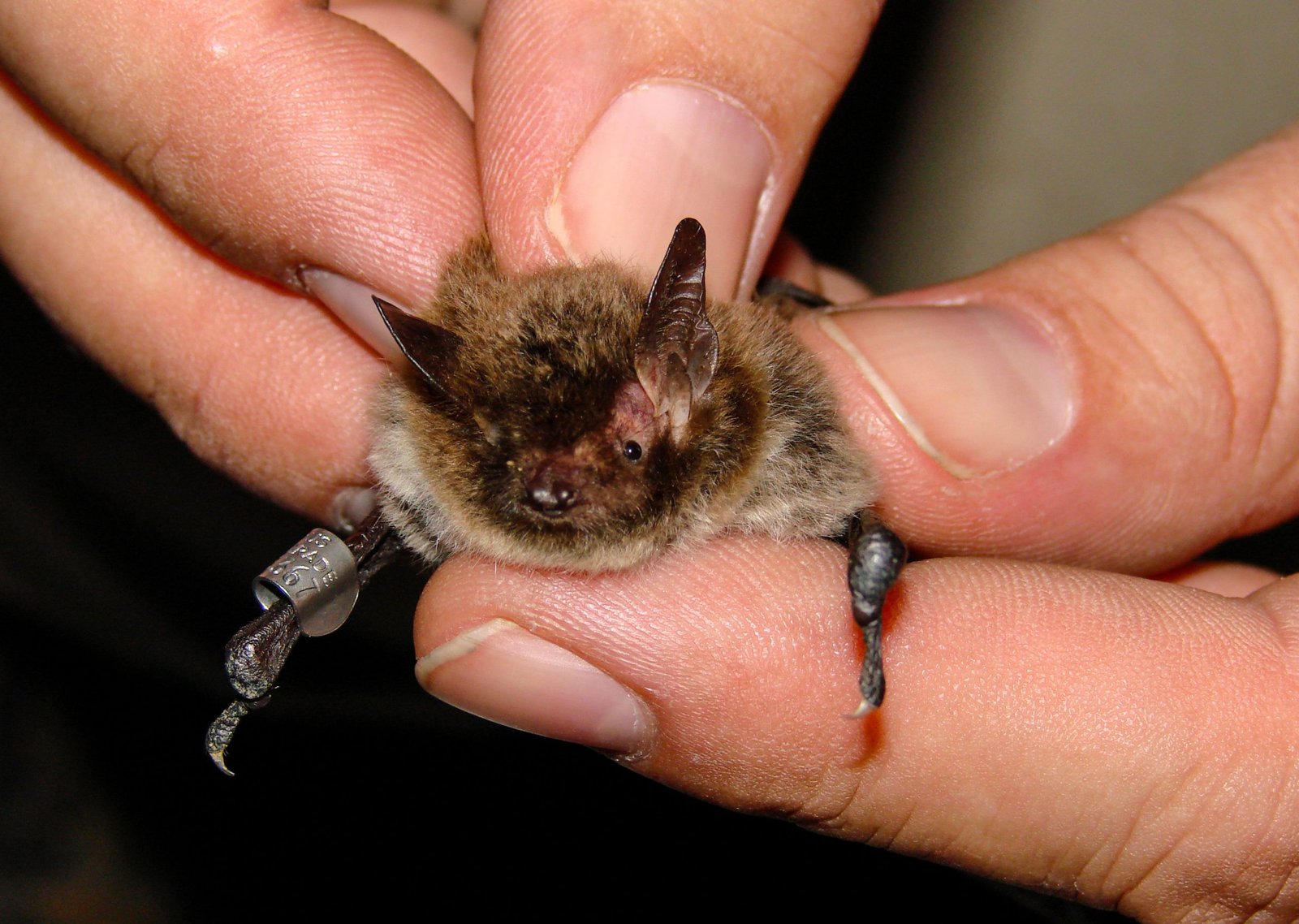
Daubenton's bat
Photo · Milan Paunović
04 · Get in touch
If you find a bird or bat with a ring, please let us know.